


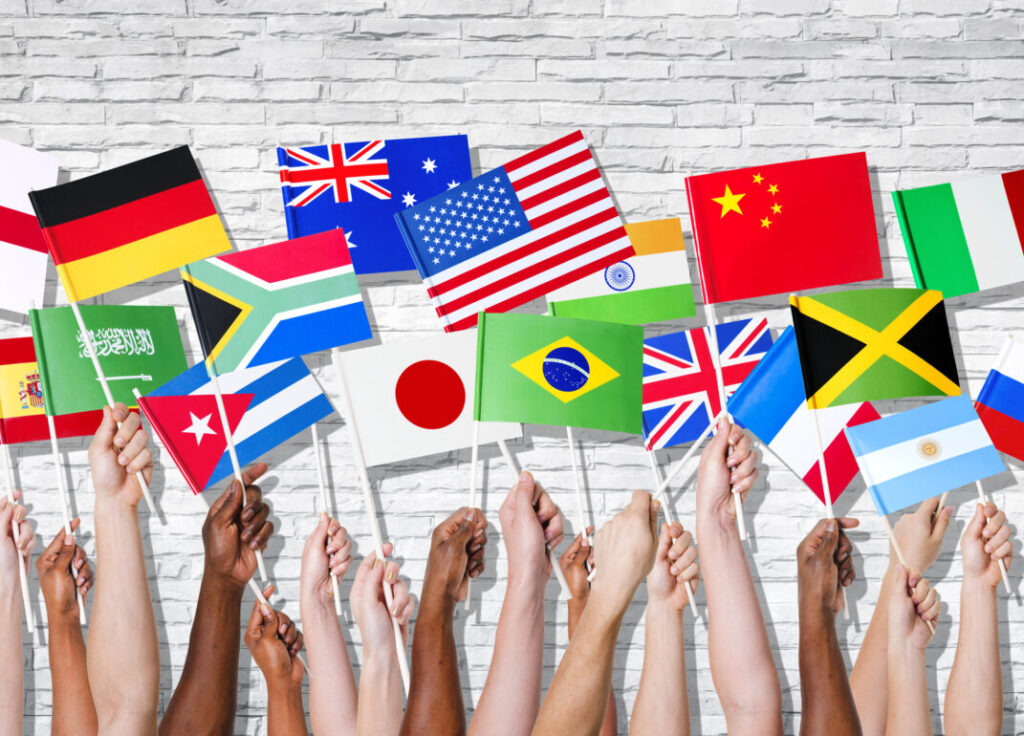
Certified translations: why have they increased with globalization?
Certified translations are stamped documents produced by authorized professionals, essential for anyone planning to leave the country, since they’re required by international institutions and authorities.
What is globalization? Globalization is the economic, cultural, and political relationship between different countries. Technological progress has intensified it, deepening the interactions between nations negotiating investments. This process has given rise to transnational companies operating across multiple countries, creating job opportunities for people who relocate abroad. According to Brazil’s Ministry of Foreign Affairs, more than 4.2 million Brazilian citizens live abroad (2020 figures).
Why certified translations matter. Certified translations attest to the accuracy of information presented to international authorities. The professional needs a strong command of other languages and cultures to avoid errors in essential data. Flawed documentation can complicate bureaucratic processes, which is exactly why translation can’t be done by just anyone — it takes qualified, experienced professionals.
Globalization’s role. As more people live abroad, demand for certified translation keeps growing. Studying or working abroad requires documentation to be translated and submitted to the relevant authorities, keeping demand for translators on the rise.
Documents that need certified translation. Required for immigration, academic certificates, passports, legal transcripts, and birth or marriage certificates. Only certified translators can produce these — they can’t be done through online translation sites, since these will be official documents submitted to international authorities.
Why hire professionals. Hiring a translator guarantees legal validity, avoids administrative delays, and ensures accuracy. Informally translated documents will be rejected by the relevant authorities, forcing you to redo the work and spend more. Precision is only guaranteed by experienced professionals — not even someone who speaks another language fluently will necessarily know how to properly translate official documents.
Tips for hiring. Look for experienced companies with a strong market track record that put together specialized teams. This avoids delays and translation errors, and makes sure everything meets the requirements of the receiving institution.
Other posts

Language course: 7 tips to make learning more effective
A language course can be an important milestone in your career, mainly because the job market considers this criterion as a highlight…

Language course: 6 reasons to learn a second language
A language course can bring many benefits, and these are not limited to the advantages of growth in the job market. Reading,…

Language courses: What difference does a second language make in building a career?
The language course is an excellent learning opportunity. It is a path that opens up possibilities for the job market.